



1 | Week In Review
US Markets ended a multiple-week stretch of down weeks, retracing some of losses experienced earlier this year. Analysts now will wait for Tuesday’s CPI numbers: have we seen peak inflation? Annex Wealth Management’s Dave Spano and Derek Felske discuss.
2 | Poll
Throughout the summer, we quizzed our readers’ knowledge on Required Minimum Distributions and the questions that are commonly asked.
We’ve already recapped the first four questions of this eight-part poll, so here are the results of the second half!
Week 5: Can I withdraw more than the minimum required amount?
95% of responders were correct by selecting “Yes. However, be aware that the amount of your RMD, as well as any amount that exceeds the RMD, will be considered taxable income except for any part that was taxed before or can be received tax-free (such as qualified distributions from designated Roth accounts.”
Week 6: What if a mistake is made?
If you selected either A. “All is not lost if you or someone you entrust to do your RMD calculations makes a mistake.” or B. “Penalties can be waived if the account owner establishes that the shortfall in distributions was due to a reasonable error and steps are being taken to remedy the shortfall”, you were technically correct, but the actual answer was both A. and B. 64% of polltakers chose the right answer.
Week 7: Do I have to take an RMD if I own an annuity?
This question caused a bit more of a divide between respondents.
- 42% said “It depends on the type of annuity you own.”
- 16% said “No, you’re covered with the annuity.”
- 37% said “Yes, you must take an RMD if you own an annuity, no matter what.”
- 5% said “None of the above.”
The correct answer? It depends on the type of annuity you own.
If you own a variable annuity, and it is held in an IRA, the answer is yes. This is referred to as a “qualified annuity” by the IRS, meaning that it likely was funded with pre-tax money that requires you to pay taxes on your withdrawals, as well as take RMDs. Non-qualified annuity contracts offer tax-deferred growth of after-tax funds; they are taxed when annuitized, but as a general rule are not subject to RMDs. [1]
Week 8: What reporting obligations does my brokerage firm have with respect to RMDs?
20% of polltakers said firms don’t have any obligations, and 5% said their obligation is to not screw it up.
The correct answer was selected by 54% of responders: “Firms that serve as administrators to employer-sponsored retirement plans typically have the same responsibility for plan participant RMDs”
The IRS requires brokerage firms and other financial institutions that are custodians or trustees of traditional IRAs calculate or offer to calculate the RMD for IRA owners and to report this information to the IRS. [1]
[1] Source article: https://www.finra.org/investors/learn-to-invest/types-investments/retirement/rmds-questions-about-ira-accounts
Next week’s Axiom will feature a new poll series: 8 Important Questions to Know When Finding the Right Financial Advisor. Stay tuned over the coming weeks!
BACK TO TOP ↑
3 | Client Exclusive
Drivers, Start Your Engines!

From the “horseless carriage” to Formula One, racing is as old as the engine itself.
It was German engineer Carl Benz that was first to apply for a patent for a “vehicle powered by a gas engine” in 1886, but the distinction of creating the first American automobile was taken by the Duryea brothers out of Massachusetts in 1893.[1] The brothers created the gas-powered engine and completed their first test run in September in Springfield, MA with an overhauled used horse carriage which achieved a top speed of 7.5 mph with its one-cylinder, three-speed engine.[2]
Of course, it wasn’t long before the inventors sought to test their new automobile against any other who wished to challenge them. The first organized American race featured Frank Duryea driving an improved second model of the Duryea Motors automobile. The race, which took place on a 54-mile course in Chicago on Thanksgiving Day in 1895, consisted of six cars, four of which were gas powered. Of the four gas powered vehicles, only Duryea’s was American made.
After a grueling 11 hours of racing through snow covered streets, which included stops at a black smith to repair the steering arm and an engine repair when one of the two cylinders malfunctioned, the Duryea vehicle won the race ahead of the German imported Benz.[3] And if you do the math, even to account for a potential three hours for maintenance stops…that puts them at a mind blowing 6.75 miles per hour average speed. Pretty wild, right?
Fast forward to today, and the world has seen about every variation of racing style and car class that you can imagine including stock car, drag racing, and Formula One, all designed to push what an automobile can do. The speed, tracks, technology, and equipment that surround racing today would make Benz and Duryea blush.
Though NASCAR is the most popular racing format in the U.S. with its stock cars, Formula One cars, driven in “open-wheel” racing, are known as the top dogs of the racing world. These cars run solely on road courses all around the world and are recognizable by their extremely low profile and their ability to be heard rather than seen if you do more than blink.
Modern day Formula One cars are fitted with 10,000 horsepower engines, the equivalent of 22 Corvettes, and consume 65-80 gallons of high-octane fuel per minute at full power, all which combine to produce hair-raising speeds. Because of the sheer power produced by these machines, the exhaust from a Formula One car is hot enough to melt aluminum, the material used in traditional tailpipes. In order to make these cars run, a set of tailpipes using exotic metal is required to withstand the heat and costs more than an average car.[4]
The cars are engineered to keep a low profile on the ground which creates a vacuum that keeps their lightweight bodies from overturning at high speeds and tight turns. Race organizers in Monaco, France learned the hard way that these cars produce enough vacuum to pull up manhole covers on the streets they race on. Now, before each race, organizers make sure the covers are welded down to avoid any further incidents that cause accidents during the races. [5]
Today, cars are going so fast that drivers constantly face g-force pressure as they make turns and change speeds frequently. As part of the physical training regimen, drivers specifically work on the strength of their neck to be able to withstand hours of constant force. The force of a Formula One car whipping around a tight curve in Monaco can be more than the force an astronaut feels during a shuttle launch!
Given the internal heat of the car and the constant strain on their bodies, drivers can also lose eight or nine pounds of water weight during a long race. This makes hydration key for drivers to maintain critical focus – modern day race suits and helmets have a hydration unit built in so that drives do not have to take their hands off the wheel to get a drink.
All these improvements have been designed to keep the driver safe and the equipment running at top performance. Because of racing’s long history, many of the things we see in our cars today can be credited to the engineers involved in the sport throughout the years, such as the need for rearview and side mirrors, lightweight yet strong engine components, and a built-in roll cage that is hidden beneath the headliner and interior features of your everyday car to protect drivers.[6]
For racing fans, the Monaco Grand Prix, Indianapolis 500, and the 24 Hours of Le Mans are the trifecta of racing events, all showcasing unique driving abilities and the high-performance cars that the sport is known for today. But for those looking to get a taste of what live racing is like before booking a trip to Le Mans or Monaco, both located in France, try checking out a local short track where you can still see some high intensity racing and get a feel for that rumble in your chest as the cars fly by.
Anyone who has been to any racing event, whether short track or a Formula One race on one of the biggest stages will agree that there is something in the air, other than the smell of fuel and the roar of high horsepower engines, that is. The history of the vehicles, the long-standing tradition of the sport, the atmosphere of watching a race unfold before your eyes, and watching the endurance and skill of the drivers draws many people to the sport worldwide.
From the first car to ever drive at a speed of 6 miles per hour to the incredible power of the fastest racing car out there averaging 220 miles per hour today, the world of racing has certainly changed. Respect for the car, and love of the sport started from the first day the engine roared to life, and shows no signs of slowing down.
[1] https://www.history.com/news/car-history-timeline
[2] http://www.eyewitnesstohistory.com/duryea.htm
[3] http://www.eyewitnesstohistory.com/duryea.htm
[4] https://www.thrillist.com/cars/facts-about-race-cars-surprising-details-about-the-world-s-fastest-vehicles
[5] https://www.thrillist.com/cars/facts-about-race-cars-surprising-details-about-the-world-s-fastest-vehicles
[6] https://auto.howstuffworks.com/under-the-hood/trends-innovations/top-10-car-tech-from-racing.htm
BACK TO TOP ↑
We’ll be at Discovery World On September 14th!

Technology’s vast power and influence over the entire employee data landscape can leave employees with more questions than answers. More detailed employee data should help improve our ability to serve employees. But how do we start, and how do we protect that data?
Tom Parks, AIF®, CRPS™, our Director of Retirement Plan Services, will be joined by a panel of experts to discuss how the industry faces the use, curation, and optimization of employee data.
If you, or someone you know, are interested in attending this event, or would like more information, follow the link below!
https://www.eventbrite.com/e/employee-data-401k-plans-new-challenges-tickets-405431014077
BACK TO TOP ↑
5 | Ask Annex
Ask Us A Question!
6 | Quote of the Week
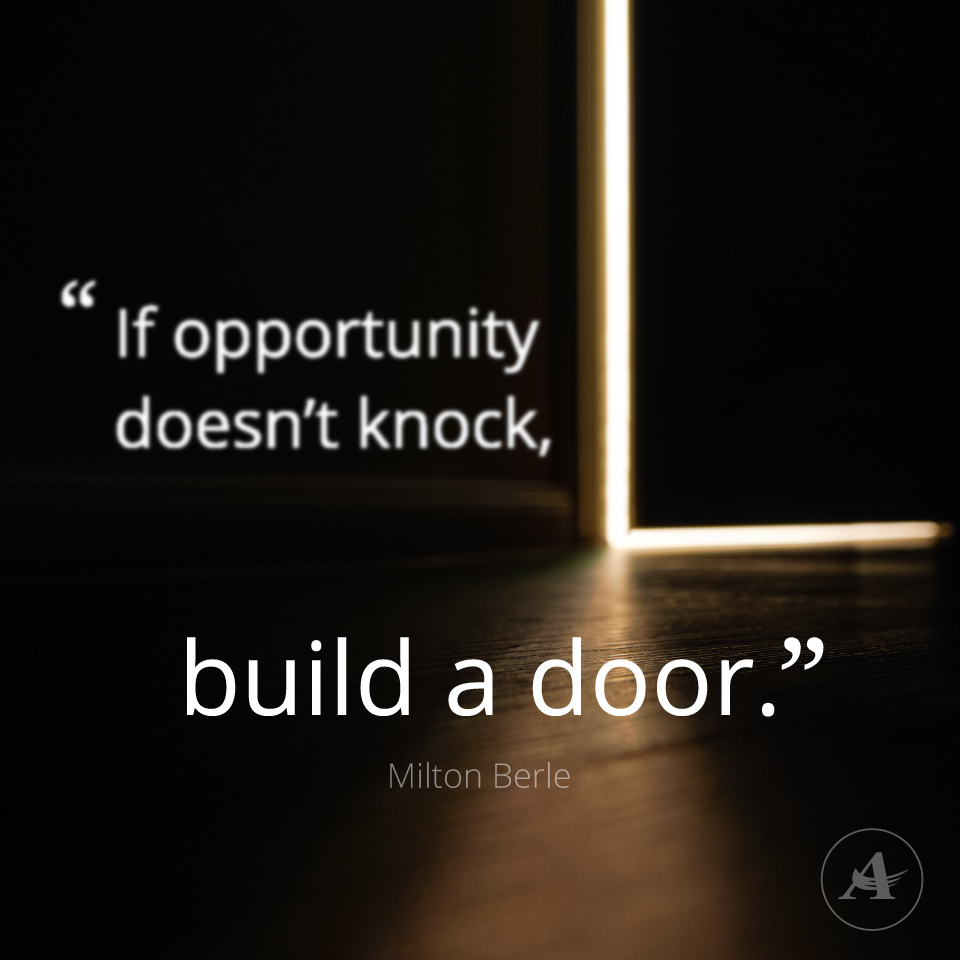
BACK TO TOP ↑
7 | Annex Radio
BACK TO TOP ↑
Events & Webinars
Annex Wealth Management has always been committed to client growth and education. Planning and saving can be demanding. We’ve found that when our clients master key concepts, it often enhances working together to reach their goals. Because these are not sales presentations, our clients benefit from a truly informative experience.
UPCOMING EVENTS →
BACK TO TOP ↑