

Client Axiom | Vol 269
Powell’s Dovish Comments Help Make The Case For Equities

Meet The Axiom®’s Guest Editor: Tom Berkholtz, CFP®
My name is Tom Berkholtz, and I am a Financial Planning Specialist at Annex Wealth Management.
As part of the Financial Planning team, we work closely with Wealth Managers to help prepare financial plans and to conduct portfolio analysis. We also provide specialized ongoing support for a variety of subjects such as tax, insurance, and retirement planning.
BACK TO TOP ↑

Powell’s Dovish Comments Help Make The Case For Equities
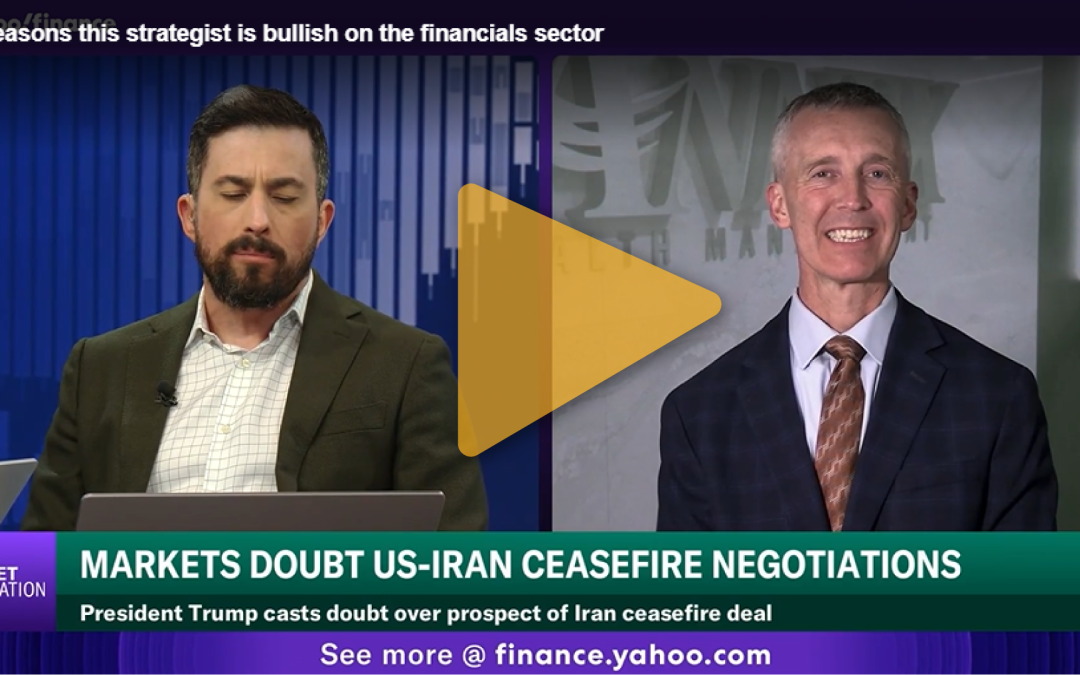
Stocks rose after a stellar earnings season and comments by Fed Chairman Powell that appeared to indicate tapering might not include a rate hike. Annex Wealth Management’s Dave Spano and Derek Felske discuss.
BACK TO TOP ↑

The Art of…Art.
How you can both collect and build alternative investments too.
That blank space on your wall that has been begging to be filled is finally calling to you. Finding the perfect thing to put in that awkward corner of your wall, or to fill that oversized space in your dining room can be more challenging than you think. And walking into a home décor store just offers way too many possibilities and you end up lost and walking out empty handed anyways.
Rather than just fill the blank space you have with anything, this could be the perfect opportunity to start your own art collection. This might sound like a tall task, but really, a collection can mean whatever you want it to, because it’s yours! Whether you want to coordinate pieces based on your favorite color, your favorite type or scenery, or a dog theme, it’s really up to you. Art is so versatile in price, style, medium, and appeal, that there’s bound to be something out there that speaks to you! So, you want to become a collector?
How to become a collector.
Whether you are looking for your first piece, or adding to an already vast collection, here are a few tricks of the trade for art collectors of all levels to find that next great piece.
Knowing what you like is the most important part of owning art. One conservator says “most art is bought because a viewer has a visceral reaction to it; it speaks to them, and they want to own it and live with it.”[1] So, find what speaks to you; what moves you. Only you can determine what your collection will look like and picking out what intrigues you is a great way to start to narrow your selection process.
Get your feet wet or explore new styles by visiting art galleries, local art fairs with a variety of artists, or an art museum. Take time to just look around and get a feel for the different artists in your area, and what styles appeal most to you before making any purchases. If you are planning an art inspired trip, many large cities also host art festivals one weekend each year. Check your favorite vacation destination to see when their next festival is, like the Delray Affair in Delray Beach, Florida April 2022 or SOFA in Chicago, Illinois this November![2]
Set a budget for any new pieces and make sure that when buying something that you may consider to be of high worth, assess the piece with a gallery or expert if possible. While viewing a piece, it’s also a good practice to stop and take a step back to make sure your infatuation is not just a fleeting feeling, but a will be a long lasting appreciation for the piece. For larger purchases, this is even more important to make certain of your decision!
Along with purchasing pieces, become a donor at a gallery that hosts artists you enjoy. Becoming a donor can drastically improve your relationship with a gallery and the artists, building a good foundation that can help you learn more about art, and can come into play when you eventually plan to make a purchase.[3] If the gallery knows who you are, they may be more willing to work with you to secure a piece, and be more open to discussing a price point that is comfortable for you.
Why art can be an investment.
An amazing piece of art that you have researched, collected the ownership history on, carefully packed and shipped to your home, and now have hung on the wall can also be seen as an investment. Though fine art comes with a fine price tag, there are also other financial aspects to your piece or collection that are worth considering. [4]
Like finding buried treasure, with the right piece, you might have the opportunity to watch your art gain value over time and if you plan on selling in the future, the gains can be profitable for you. It might seem like you need to have the perfect equation of finding and up and coming artist, a piece that will stand the test of time, and a good purchase price, to equal a future profit, but while you try to figure out what that entails, you get to enjoy a great piece for yourself.
If you have a collection, and you plan to sell, the pieces could become more valuable if they are sold as such. The time and care it takes to craft a collection all by one artist or in one style could potentially raise the value. If your art keeps good company, then a potential buyer might also notice.
Fun fact – these buyers really invested: a painting by artist Francis Bacon sold for 84.5 million dollars in 2020, the highest price paid for art last year. Compared to previous years, this was relatively low. By contrast, in 2017 a painting by Leonardo da Vinci was auctioned off for $450 million and remains the most expensive artwork to ever sell at auction.[5] Woah.
But why is it a good investment.
Unlike many other assets, art isn’t reliant on any other asset types, meaning that if the stock market crashes for instance, art still lives in its own world of supply and demand.[6] The value does not change based on outside circumstances, but only based on those who want or demand it.
Unlike stocks, which trade in a market now run by technology, art is a tangible thing which can be held, looked at, and admired by the owner. Other commodities appear only as numbers on a screen in the world of digital trade.
The longer you hold on to a piece, the higher the likelihood of increased demand for the piece itself or the notoriety of the artist becomes known to the art world. The value may increase, allowing for more profit for you, should you choose to resell – just make sure you have the ownership documents ready to pass off as well, as that will help to support the increase in value and validity of the piece for the buyer!
Happy walls make happy people. Art gives your brain visual stimulation, which can increase your overall happiness and enrichment. This might be investment enough. It’s most likely that you bought if for more than just a potential resale, so enjoy what you have!
Just like everything, it’s good to know all the facts.
We would be remiss if we didn’t also mention that not every single aspect of becoming an art collector and art investor is perfect. Just like in the stock market, a piece that you believe is worth what you are paying for it may not be seen that way by other investors. It’s important to note though that as the cliché says, beauty is in the eye of the beholder. Even if a potential buyer won’t pay you double what you purchased the piece for originally, there is a reason that you bought the piece too. And with a wide variety of tastes out there, it might speak to you more than it does anyone else. And that’s okay.
It’s also important to realize that art as an investment is illiquid.[7] Usually, you can’t sell a piece the same day that you need to access any funds for another purpose. If you are indeed using art as another, supplementary investment tool along with the more robust investments you already have, planning ahead for when you might need the funds that your sale can produce can help alleviate stress or making a hasty deal on the sale.
If you are in the business of collecting art for decorating your house or office, or even curating your own collection, it can be a fun and exciting process. It can also be extremely rewarding for you and can help to pad your portfolio with some unique assets too. Researching, window shopping, touring galleries, or attending art festivals are all great ways to immerse yourself in the vast world of art, in all its mediums.
Regardless of your initial intention, take your time to enjoy the process of finding that next perfect piece for you!
[1] https://www.artworkarchive.com/blog/our-top-9-tips-for-emerging-art-collectors
[2] https://www.artfaircalendar.com/art_fair/americas-best-art-fairs-the-top-50.html
[3] https://www.forbes.com/sites/kerenblankfeld/2011/11/07/not-a-billionaire-you-can-still-be-an-art-collector/?sh=1c463acf2c66
[4] https://www.oneartnation.com/buying-your-first-art-piece-how-to-become-an-art-collector/
[5] https://www.forbes.com/sites/carlieporterfield/2021/12/30/what-2020s-most-expensive-painting-says-about-the-art-market/?sh=745e89223398
[6] https://www.gobankingrates.com/investing/strategy/is-art-good-investment/
[7] https://www.gobankingrates.com/investing/strategy/is-art-good-investment/
BACK TO TOP ↑

Poll Recap: Have you updated your will recently?
Happy National Make A Will Month!
In our previous poll, we asked readers “Do you have a will?” – and the majority of respondents answered yes. This week we dug a little deeper and asked, “Have you updated your will recently?” – this time, the majority of respondents answered no.
If you fall into this category – congratulations on having a will setup! That’s a great first step. But unfortunately, if you don’t keep your will and other estate planning documents up to date, there could be major ramifications down the line.
It’s a good rule of thumb to review your will:
1. After any major life event
2. Every four to five years
– even if you don’t think anything is different. This helps ensure your family stays protected and your final wishes are respected.
BACK TO TOP ↑

What is the Fear and Greed Index and why is it important?
If you’ve been with us for a while, you’ve probably heard references to the Fear and Greed Index in our Week in Review segments and on the radio. It may seem self-explanatory, but we want to dive a little deeper to explain more about what it is and why it’s used.
So, what is it? The Index was created using the concept that the market and investors are driven by emotions which can be measured by the fear felt in a poor market climate and the greed in a good market, and the selling and buying associated with those emotions.
The Index is measured on a scale of 0 to 100. The lower the number, the more fear in investors, and a higher number indicates more greed, with 50 indicating investors have neutral sentiment about the markets.[1] The Index can be used to gauge whether the stock market is fairly priced – if there is more fear, prices tend to be down because of lack of buying, and if there is more greed, share prices are usually higher than what they are actually worth because there are more buyers amidst confidence in the market.
As we all know, the markets are constantly changing, and so is the Index number. It is constantly monitored and is created by looking at seven indicators across the market: stock price momentum, stock price strength, stock price breadth, put and call options, junk bond demand, market volatility, and safe haven demand.[2]
These indicators, covering a wide range of things including stock sales, stock movement, and trading volumes, are tracked and assigned a value based on what is happening in those segments of the market. Then these values are given an equal-weighted average to create the overall Index number.[3]
These numbers, which can be looked at daily, represent how the market is moving in a different light than just by the prices of each stock. It incorporates the indicators in a way that aims to show an overall mood for the market that day or week. It seeks to answer questions like, what are investors doing, how is it affecting the market overall, and is their motivation based on fear, greed, or just following what the crowd seems to be up to?
It is important to note that though the Fear and Greed Index is helpful to quantify the sentiment of investors on any given day, there should also be other factors to consider when making investment decisions. Like anything else related to the stock market, things can change quickly, and it can be easy to get swept up in the emotion of constant change.
That’s where we come in. Having an investment plan, like the ones we create with you, and sticking to it through the daily, weekly, or even monthly ups and downs that are bound to happen can combat the reactionary feelings or impulse decisions that the Index was designed to quantify.
This Index and many other things make up the various ways we are continually monitoring the movement of the market and how it impacts your portfolio to keep your plans on track.
We look at these things, and many more, so you don’t have to. And that’s the difference.
[1] https://www.sofi.com/learn/content/fear-and-greed-index/
[2] https://www.investopedia.com/terms/f/fear-and-greed-index.asp
[3] https://www.sofi.com/learn/content/fear-and-greed-index/
BACK TO TOP ↑

This week’s Ask Annex comes from Mark, who asks:
“What are fiduciary principles and how do I know if a company is being honest about it?”
_________________
We asked Annex Wealth Management’s Randy Winkler, CFP®:
Fiduciary principles are Loyalty, Care, and Following the client’s instructions.
- Loyalty – the Fiduciary must, at all times, place the interests of the client ahead of their own.
- Care – the Fiduciary must, at all times, use skill, prudence, diligence, and competence. The Fiduciary must be ethical and manage any potential or actual conflicts of interest in the client’s favor.
- Following the client’s instructions – the Fiduciary must, at all times, follow the clients reasonable and lawful instructions.
Special emphasis must be placed on the words “at all times,” since many firms on the financial landscape will describe themselves as a fiduciary. And they are – some of the time. At other times, they do not act as a fiduciary. Current law allows use of the term “fiduciary,” as long as the firm describes explicitly when they are and aren’t acting as a fiduciary.
Those explicit firm descriptions are found in the firm’s SEC Form ADV.
- Form ADV should be a clearly written, meaningful current disclosure of the business practices, conflicts of interest, and background of the investment adviser firm and the firm’s employees who provide advice.
- Every firm that manages over $25 million in assets is required to complete a Form ADV, which is submitted to both the SEC and the state securities authorities.
- Every firm’s form ADV must be readily available. In most cases, you’ll find a link or reference to it in the firm’s website footer or on its “about us” page.
Even though Form ADV is supposed to be written in “plain English,” there’s a chance it could require extra attention and patience to comprehend all that’s described.
One additional way to verify that a prospective firm is a fiduciary all the time, you can have them complete and sign the fiduciary oath found here. http://annexwealth.com/oath/
BACK TO TOP ↑

KNOW THE DIFFERENCE MINUTE:
JOLTS: Job Openings Hit Record High In June
KNOW THE DIFFERENCE MINUTE:
Millions Stolen In Cyber Hacks: Accenture & Poly Network

MAKE A WILL MONTH
Remarriage Pitfalls
BACK TO TOP ↑

BACK TO TOP ↑